
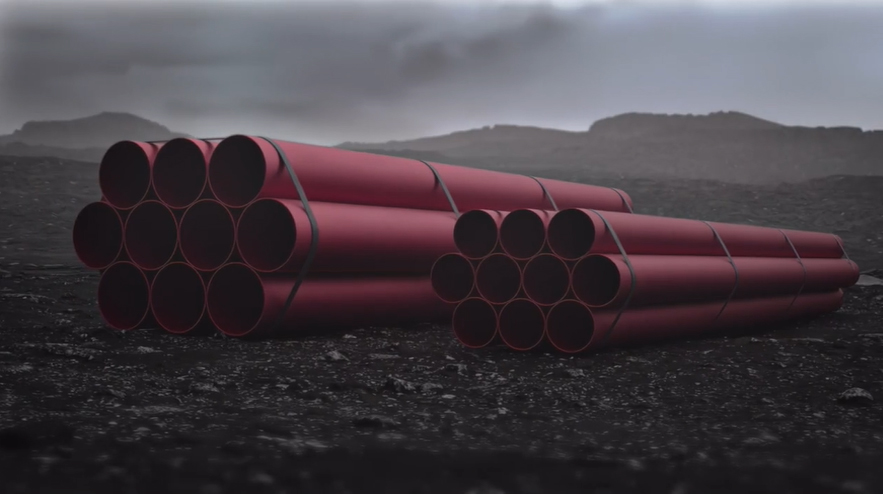
Hardox® pipes and tubes

Abrasion-resistant steel pipes and tubes give you extreme performance and extended service life almost anywhere you have heavy wear. Despite their hardness, Hardox® pipes and tubes can be welded, cut, milled and drilled using standard workshop practices.

Hardox® abrasion-resistant pipes and tubes for high wear performance and long service life

As hard and tough as our wear plate, Hardox® pipes and tubes offer outstanding performance when you need both high abrasion resistance and a lighter product. These long-lasting, abrasion-resistant steel pipes and wear-resistant steel tubes at a hardness of 400 HBW or 500 HBW can replace costly wear products like hard-faced overlay pipe and high-chrome white iron.


High-strength steel pipes extend service life in tough environments

Want to extend your equipment’s service life 2, 5 or 10 times or more? Do you need abrasion-resistant steel pipes for tough materials like wet concrete, slurry, soil, gravel, sand or wet coal ash? Is your equipment used in challenging sectors like mining, cement, dredging, recycling or steel production? Or perhaps you need a tubular part that can serve as a structural component in a bucket or other piece of equipment. If so, Hardox® 400 Tube or Hardox® 500 Tube can be the right steel tube to get the job done.
Benefits of Hardox® steel pipes and tubes

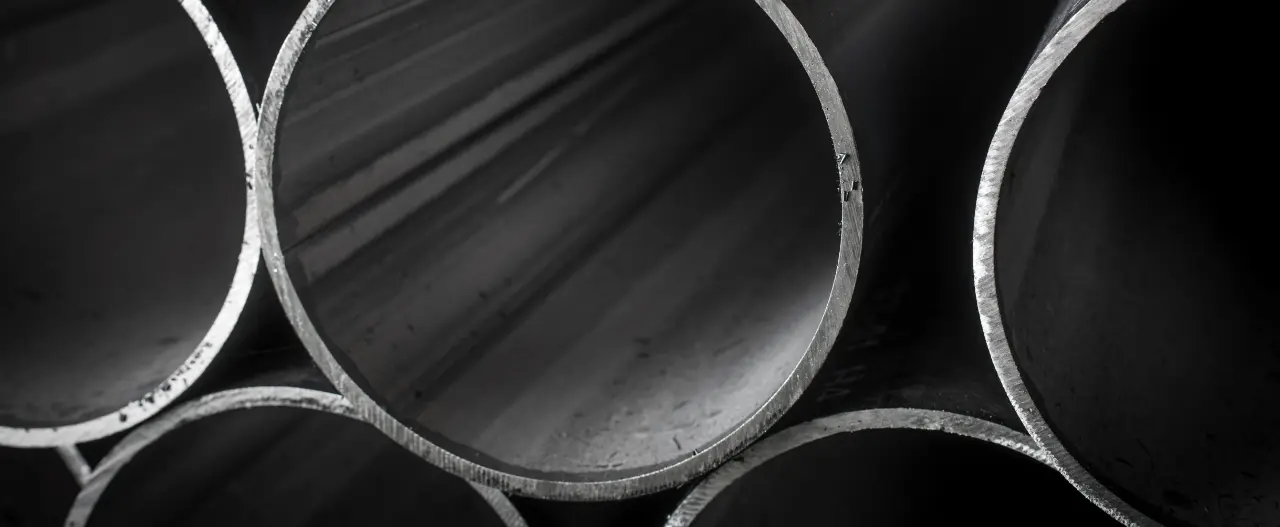
- Can outlast mild steel pipe and tube by an average of 5 times
- Extended service life reduces maintenance costs and unplanned stops
- Lighter-weight constructions deliver high strength
- Range of diameters available
- Standard or custom pipe sizes
- Easy installation and field repair
- Great alternative to heavy, not weldable cast wear pipe
- Strong and tough enough for structural applications
Typical abrasion resistant tubing and piping applications include

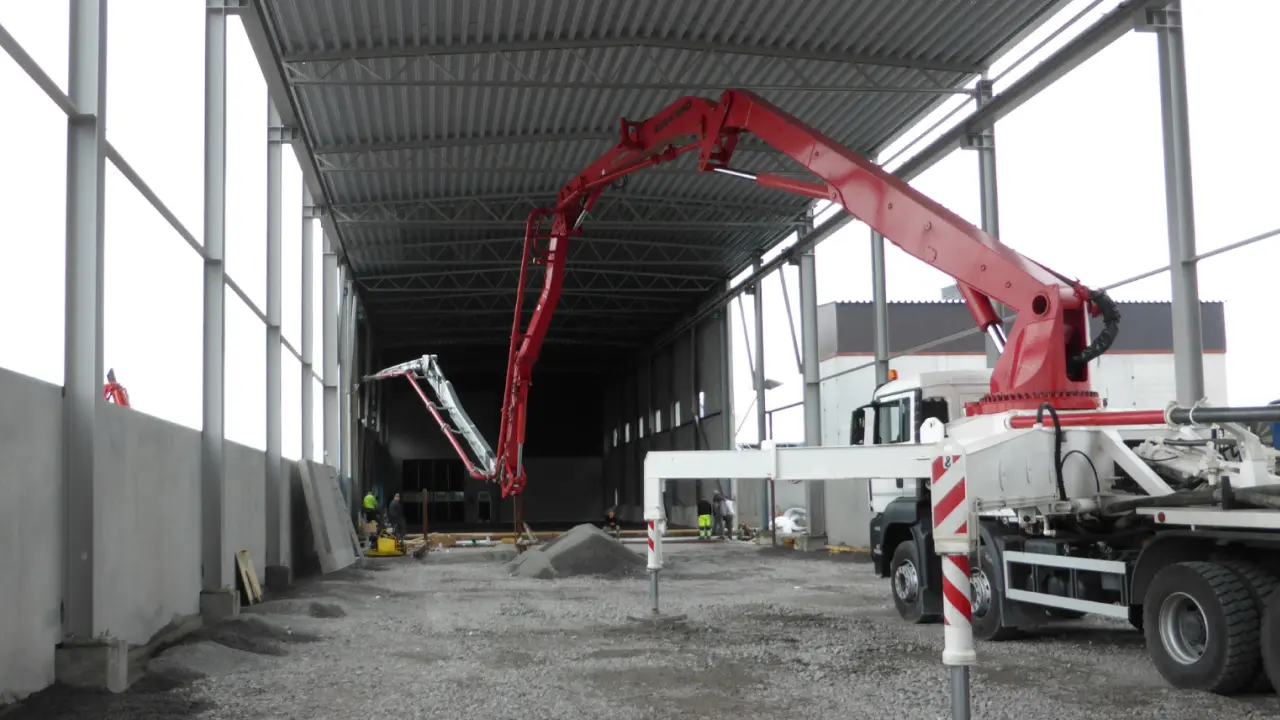
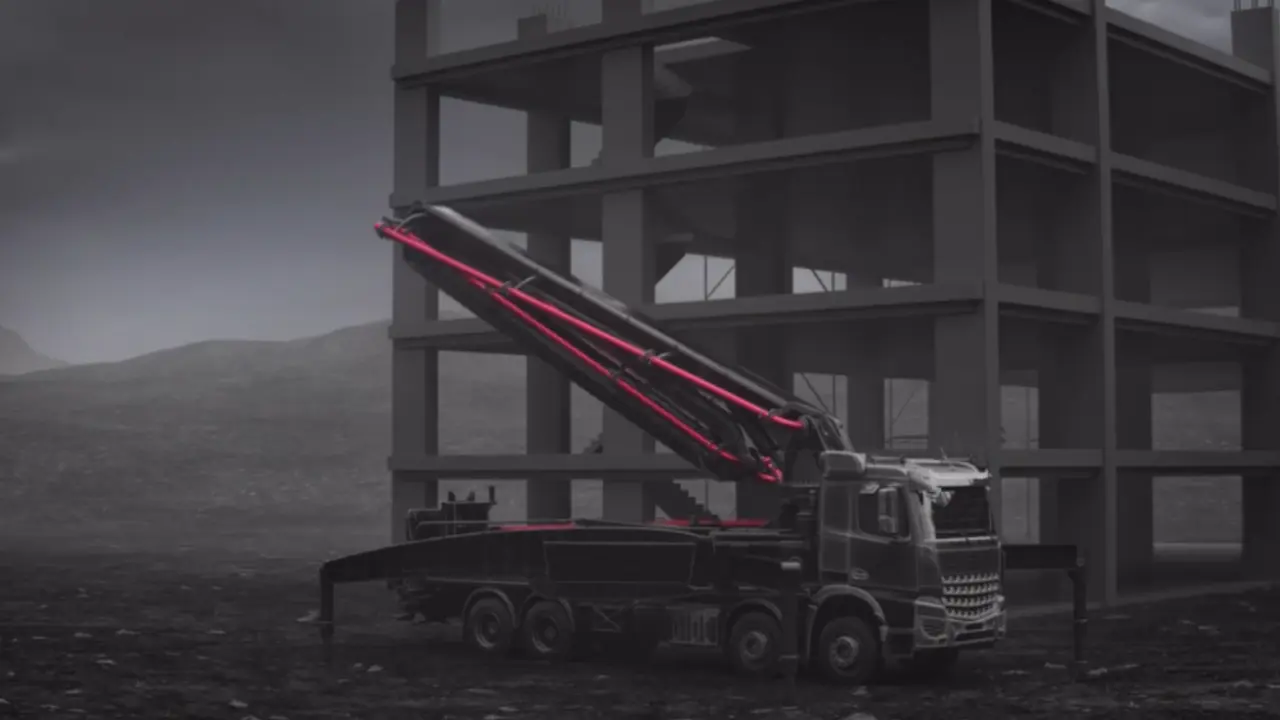
- Concrete pump pipe in concrete mixers
- Slurry pipes
- Other industrial pipe (for ash, soil or gravel)
- Dredging pipe and dredging equipment
- Hard, fixed dust collection pipe
- Agriculture, for transporting and handling corn, cereal and other products
- Structural applications in buckets and other heavy equipment attachments
- Applications that require greater strength, closer tolerances and a superior finish
Steel pipes and extreme wear challenges

When abrasive slurry is conveyed through steel pipe, its impact on the pipe’s inner surface can be devastating. It can cause severe problems for equipment in service, especially for pipe systems used to transport slurries that contain tailings or ores from mining operations. Such abrasive and erosive wear can cause some serious financial damage, too – loss of production time and expensive repairs.
Why high-strength abrasion-resistant steel beats mild steel pipe in abrasive environments

In transportation systems that use pipes, abrasive wear occurs when hard particles or abrasive slurry particles slide along the wall of the pipe or are forced against it. This action on the pipe wall can cause loss of material and, in extreme cases, pipe leaks or failure.

Mild steel pipe simply cannot stand tough enough against such abrasive environments to give acceptable service life. While mild steel pipe has good strength and impact resistance, it has poor abrasion resistance compared with high-strength, abrasion-resistant steel pipe in such high-wear areas.

What about cast wear pipe? In conveying applications, the pipes are constantly being subjected to movement due to pressure surges. Heavy, brittle cast piping is not a good option in such piping systems.

Abrasion-resistant steel pipe like Hardox® pipes in high-strength steel give you a maintenance-friendly alternative in abrasive or tough applications. And you can use lighter pipes with thinner wall thickness. They are easier to handle and install and will maintain the strength you need.

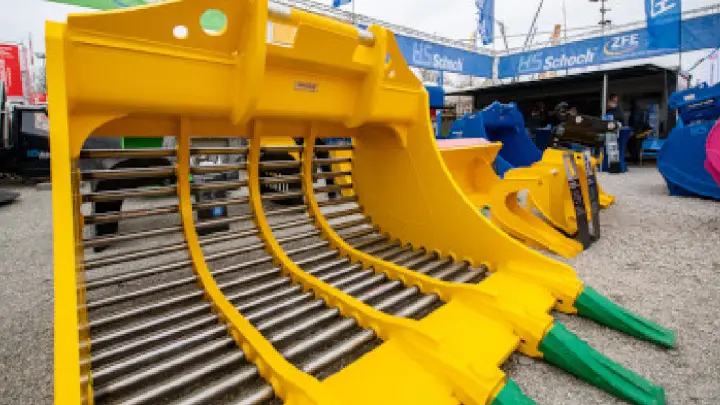
Hardox® tubes save weight and last longer in Remu’s screening buckets

Hardox® steel tubes are vital components inside the Finnish company Remu’s screening buckets. The screening is performed by rotors with blades in Hardox® 500 wear plate that are welded to a Hardox® 500 Tube. The rotors separate bigger particles or grind aggregated material into smaller particles, causing a lot of wear on the blades and the tubes. By upgrading from hardfaced tubes in S355 steel to Hardox® 500 Tube, Remu reduced the thickness of the tubes to save weight and get extended service life as an extra bonus.
Pipes and tubes – what’s the difference?

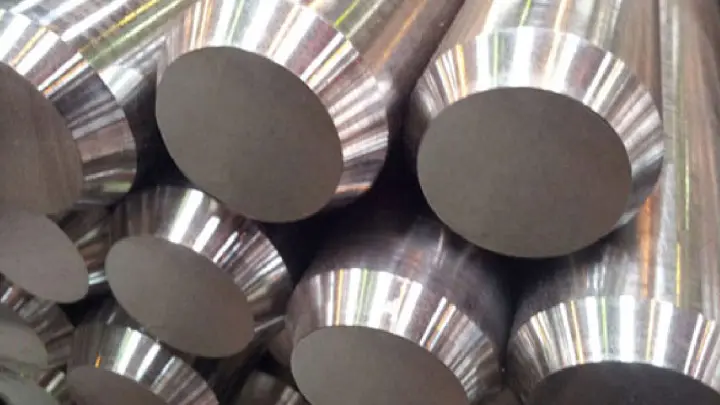
There is no technical difference between Hardox® tubes and pipes. They have the same mechanical and chemical properties and wear performance. Typically, we call them tubes when they are used in structural applications subjected to outside wear, and pipes when they are used for pumping abrasive liquids or slurries. In either case, it’s a good thing Hardox® steel is through-hardened – this means it has high wear resistance throughout, from the core outwards to the surface.

Strength of Hardox® steel tubes confirmed with pressure testing

Hardox® round steel tubes have undergone extensive pressure testing. During testing of Hardox® 400 tubes, all dimensions could withstand a peak pressure of 60 MPa (8.70 ksi) for at least six hours. In a test of Hardox® 500 tubes, a peak pressure of 85 MPa (12.33 ksi) was achieved.

Uniform, guaranteed properties for excellent workshop performance

Hardox® abrasion-resistant pipes and tubes are roll formed and plasma welded prior to quenching. This guarantees that the mechanical properties in the weld are the same as in the rest of the material, resulting in a more durable steel tube or pipe.

With their lean proprietary chemistries and outstanding cleanliness, these abrasion-resistant steel pipes and tubes have highly consistent properties. This gives you precision and efficiency in the workshop. Despite their hardness, Hardox® tubes can be welded, cut, milled and drilled using standard workshop practices.

Hardox® 400 Tube and Hardox® 500 Tubes comply with standard EN 10210 in terms of dimension tolerances and testing.

Dimension Range

Hardox® Tubes are available in circular shape.

Product
Hardox® 400
Hardox® 500
Outer diameter (mm)
76.1 – 219.1
76.1 – 133.0
Wall thickness (mm)
3.0 – 6.0
3.0 – 6.0
Mill length (mm)
6000
6000

Circular Dimensions

Outer diameter (mm)
3.0 mm (kg/m)
4.0 mm (kg/m)
5.0 mm (kg/m)
6.0 mm (kg/m)
76.1
5.41
7.11
8.77
10.4
88.9
6.36
8.38
10.4
12.3
101.6
7.29
9.63
11.9
14.2
108.0
7.77
10.3
12.7
15.1
114.3
8.23
10.9
13.5
16.0
121.0
8.73
11.5
14.3
17.0
133.0
9.62
12.7
15.8
18.8
139.7
13.4
16.6
19.8
168.3
20.1
24.0
219.1
31.5

Mechanical Properties

Product
Wall Thickness (mm)
Hardness (HBW)
Hardox® 400
3.0 – 6.0
360 – 440
Hardox® 500
3.0 – 6.0
470 – 530
C *) (max %)
Si *) (max %)
Mn*) (max %)
P (max %)
S (max %)
Cr*) (max %)
Ni*) (max %)
Mo*) (max %)
B*) (max %)
0.30
0.70
1.60
0.020
0.010
1.50
1.50
0.60
0.005

Carbon Equivalent CET(CEV)

Product
Hardox® 400
Hardox® 500
Wall Thickness (mm)
3.0 – 6.0
3.0 – 6.0
Typ CET(CEV)
0.33 (0.52)
0.41 (0.62)

Chemical Composition (heat analysis)

Tolerances

Characteristic
Circular wear tube Tolerances based on the requirements of EN 10210
Outside diameter (D(1
±1%, with a minimum of ±0.5 mm and a maximum of ±10 mm
Out-of-roundness
2%, when D/T ≤ 100
Thickness (T)
±10% when T ≤ 5 mm and ±0.5 mm when T > 5 mm
Straightness
0.20% of total length and 3 mm over any 1 m length
Mass per unit length
Individual tube: ±6%
Standard length
≥ 6000 mm: 0/+50 mm
Exact length
Agreed at the time of enquiry and order

1) All external dimensions are measured with a minimum distance from the end of the section. The distance must be a minimum of 100 mm.

Our Vision

To establish Sai Steel as a globally recognized, tender-ready manufacturing hub for custom fabrication, industrial components, and engineered structures. Through continuous investment in technology, export infrastructure and partnerships, we aim to lead in quality, precision and service excellence across continents.

Get In Touch

Contact No.

+91-93169-17128, +91-79865-05519

Email-Id

saisteel007@gmail.com